
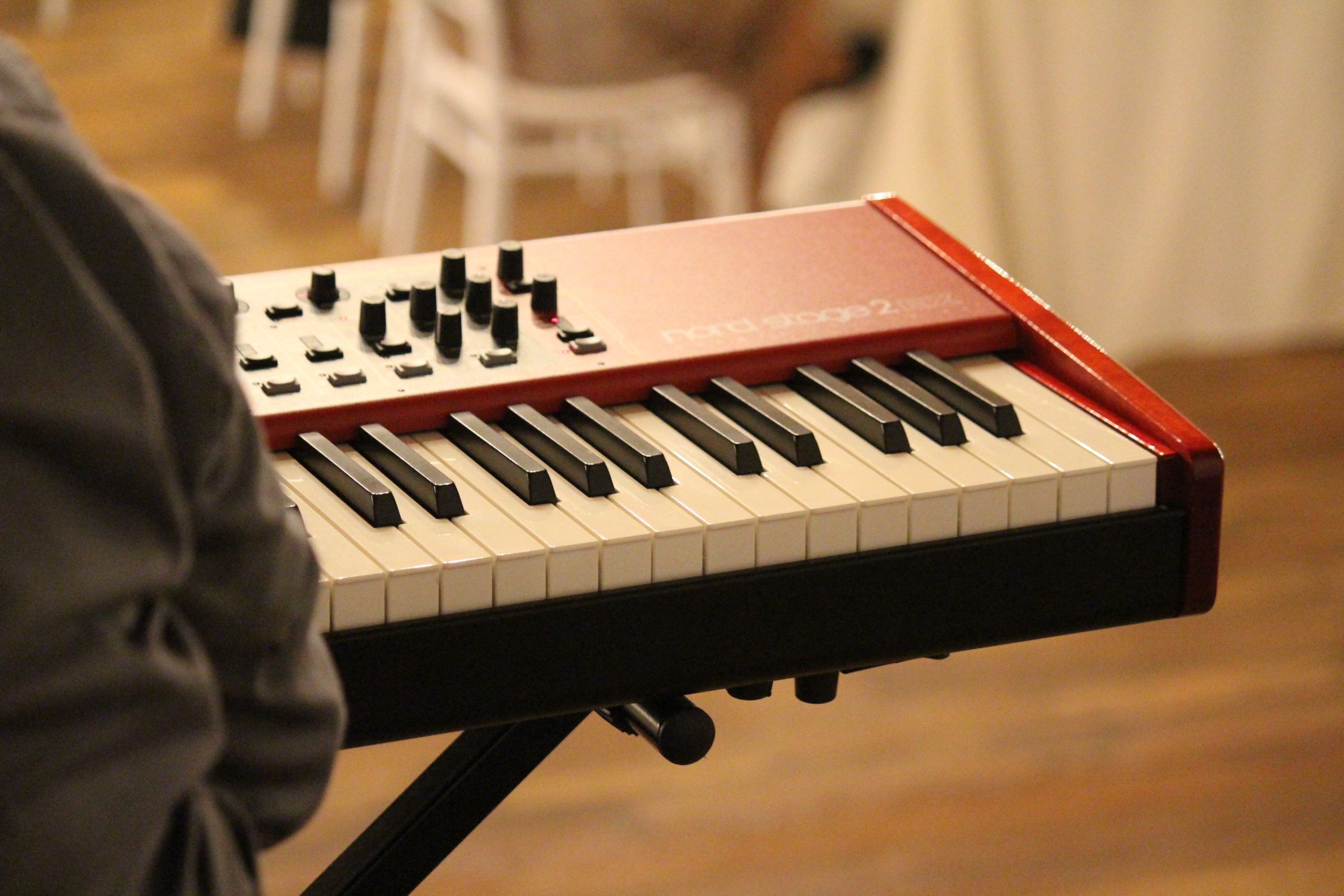
Making music is easier than it’s ever been before: instruments are more affordable and there’s plenty of free music lessons online. Resources like Digital Audio Workstations (DAWs) and Virtual Studio Technologies (VSTs) have democratized also the music making process; as long as you have a computer, you can write, record, and produce songs.
And if that weren’t enough, marketing music has changed dramatically in the last twenty years. If you can use social media well, you don’t need to rely on traditional advertising/distribution channels.
With so many musicians trying to carve out a path for themselves, how can musicians who are starting out, realistically find their audience?
1. Develop A Thesis
Most people online talk about the importance of creating high quality “content,” but I believe it’s misleading way of approaching music making.
Yes, you should be focusing on quality, but you shouldn’t be viewing your music as “content” to be consumed. By doing that, you begin to obsess over trends and marketability.
To make your work consistent, you should formulate a thesis around which you can base the identity of your music. You should have a concrete overarching message you are trying to present to the world.
Ideally, this thesis is something you truly stand by. Consider your identity and beliefs. Consider how your sound and style fit into particular communities. Your lyrics, fashion, aesthetics, production choices, video editing style etc. should support your thesis.
LCD Soundsystem, for example, explores cultural cynicism, authenticity, and grief through painfully candid lyrics and a rough, DIY sound and visual style.
MGMT combines indie/alternative bops with psychedelic soundscapes to call attention to our biological vulnerabilities that dictate our decision making process and perception of the world.

2. You Need To Be Authentic
This is advice that’s given all the time, but it’s not as easy as it sounds. Authenticity doesn’t mean sharing parts of your life that you’d rather keep private. It doesn’t mean constantly engaging with potential fans to the point of insincerity either.
Real authenticity is allowing yourself to come through in your music without self-judgement or alteration. You stop letting expectations and “norms” guide your creative process and behavior.
You no longer act the way you think you need to act in order to appeal to fans. Even if copying what’s popular gets you some traction, it’ll be exhausting to keep up the facade over the long run, and you risk losing the spark that got you into music in the first place.
By being authentically yourself, you spend less of your time and energy living under constant scrutiny and surveillance. By staying true to your actual interests, you’ll end up enjoying the process more and meeting people you click with effortlessly.
This does come with a risk: you’re exposing your true self to criticism.
It’s easy to downplay mean comments by seeing it as an attack against the genre. It’s even easier to do that when your entire musical identity and style is typical of the genre.
But if you’re really putting yourself out there, the comments feel personal. They’re not attacking the genre, they’re attacking you.
Getting over this hurdle is difficult, but it has an enormous pay off. You’re able to reach people on a deeper level, and build a following that actually connects with your personality and beliefs, and will stick with you in the long run.
3. Take Risks
For some musicians, making music is automatic while for others, it’s a daunting undertaking. We have different starts, tools, taste, expectations, and crutches.
We end up finding a comfortable pattern that helps us write songs quickly, whether it’s using the same few guitar chords, VSTs, and effects. You end up making a lot more music… but it all sounds kind of the same.
Experimentation might feel uncomfortable, and you might end up with a bunch of failed songs that don’t sound right, but as a result, you keep growing as an artist and your musical style becomes distinct and instantly recognizable.
There are many ways to take risks and experiment with your music, whether it’s through using new samples and sounds, learning new chords and seeing where they might fit in, or taking influence from entirely different styles of music.
Drawing works a lot like this as well: style isn’t something you invent because you’ve gotten good at drawing, it’s the result of what you practice and long-term experimentation.
The areas that you experiment in is ultimately up to you, but it is worth thinking about the specific qualities of music that you enjoy. If timbre is important to you, experiment with different instruments or synth settings. If harmony floats your boat, explore some jazz theory.
Final Thoughts
Everyone has their own reasons for wanting to share their music with the world. Some artists are writing first, others care more about the lifestyle.
There’s no one way that fits every artist, but if you’re willing to engage with a community, seriously consider using your platform for good. Musicians have a long history of spreading social awareness, and there’s so much potential in songwriting/music-making that you might as well take it to the highest level you can.